Events

WP1 – Project Kick-off & Coordination Meeting

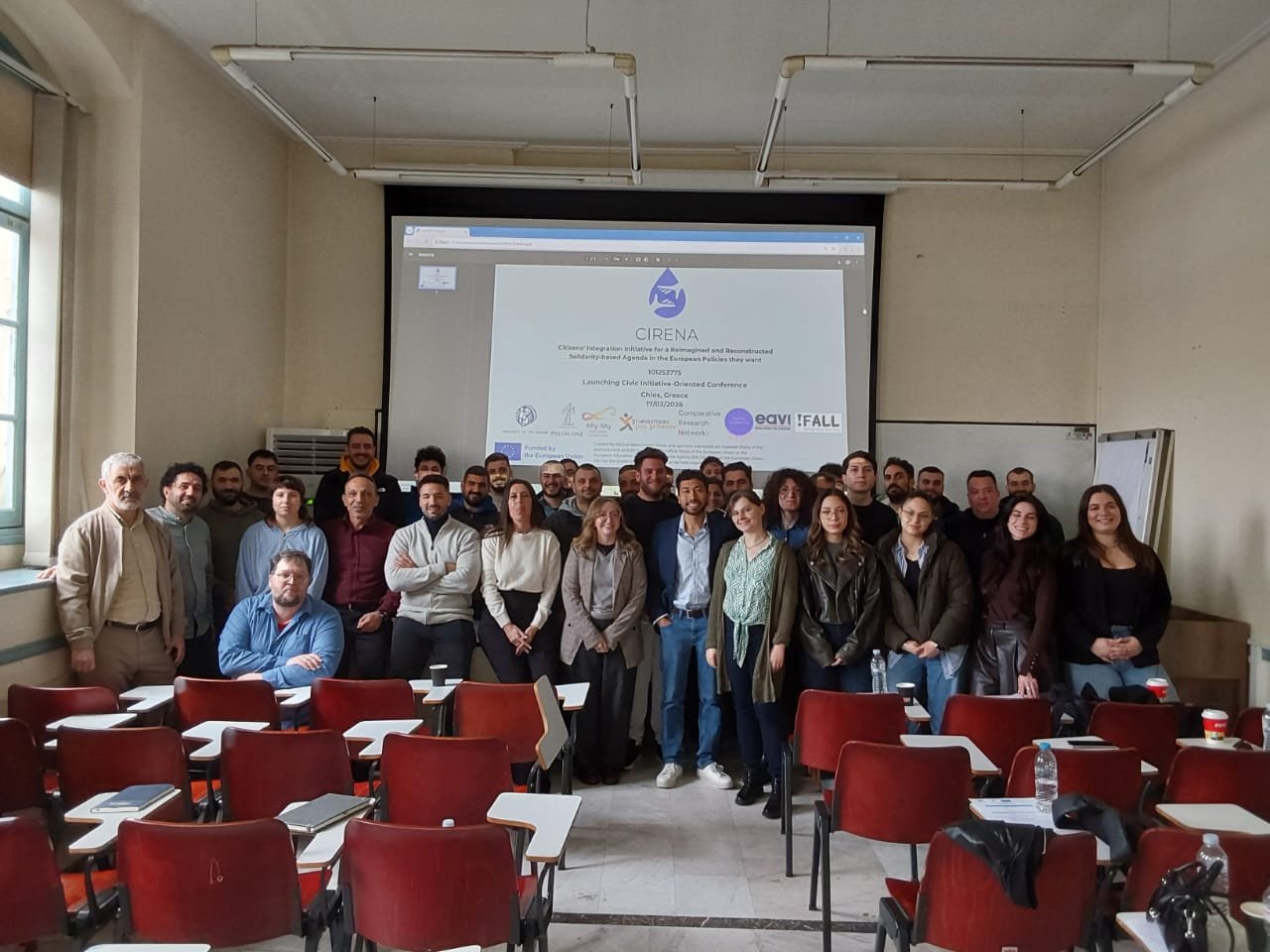
The opening meeting brings together all partners to align on CIRENA’s objectives, participatory approach, and implementation roadmap. It establishes a shared understanding of the project’s civic mission, coordination mechanisms, and quality standards, ensuring coherence across activities from the outset.


17 February 2026, Chios. Agenda of WP1 Cirena Project 09:30 – 10:00 Registration & Welcome Coffe
10:00 – 10:20 Opening Remarks
Welcome from UAegean, Prof. Ioannis Dagkinis, UAEGEAN
Short introduction of partners
Purpose of the Opening Forum

10:20 – 10:45 “Project Presentation: Vision, Structure &Expected Impact”, Prof. Ioannis Dagkinis, UAEGEAN
10:45 – 11:15 Coffee Break
11:15 – 11:40 “Participatory Europe: Citizens as Policy Co-Authors”, Dr. Panagiotis Psomas, UAEGEAN
11:40 – 12:15 “Strengthening Inclusion and Participation: Why This Project Matters, Who Needs Support, and EU Opportunities for Citizens”, Prof. Ioannis
Dagkinis, UAEGEAN
12:15 – 13:15 Lunch Break
13:15 – 14:00 “Solidarity as Governance: The Role of Border Regions in Shaping EU Futures”, Dr. Afroula-Afrokomi Stefanakou, UAEGEAN
14:00 – 15:00 Project Management & Implementation Framework
15:00 – 15:30 Summary of decisions
Confirmation of next milestones
15:30 – 16:00 Closing remarks from UAegean

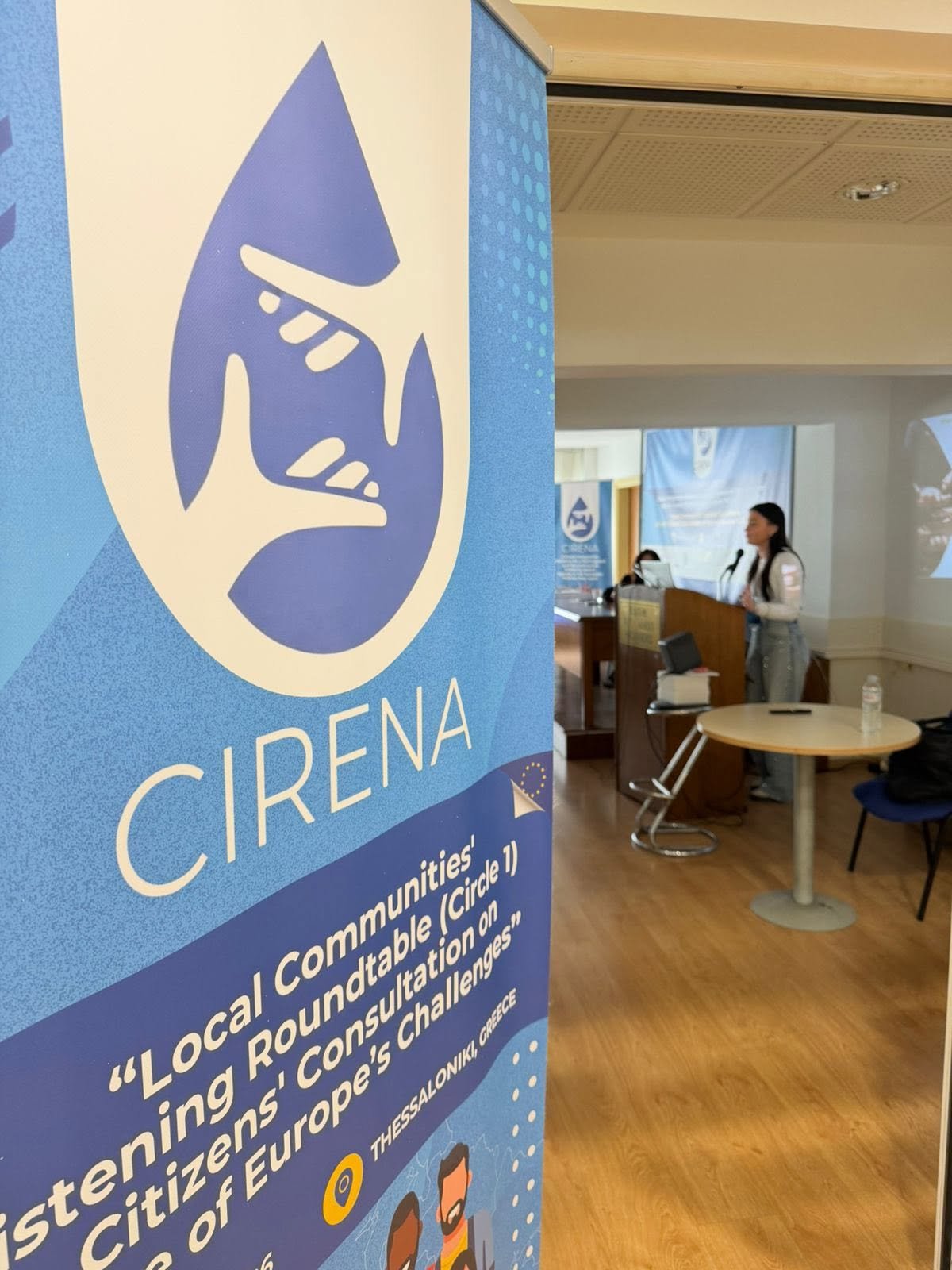
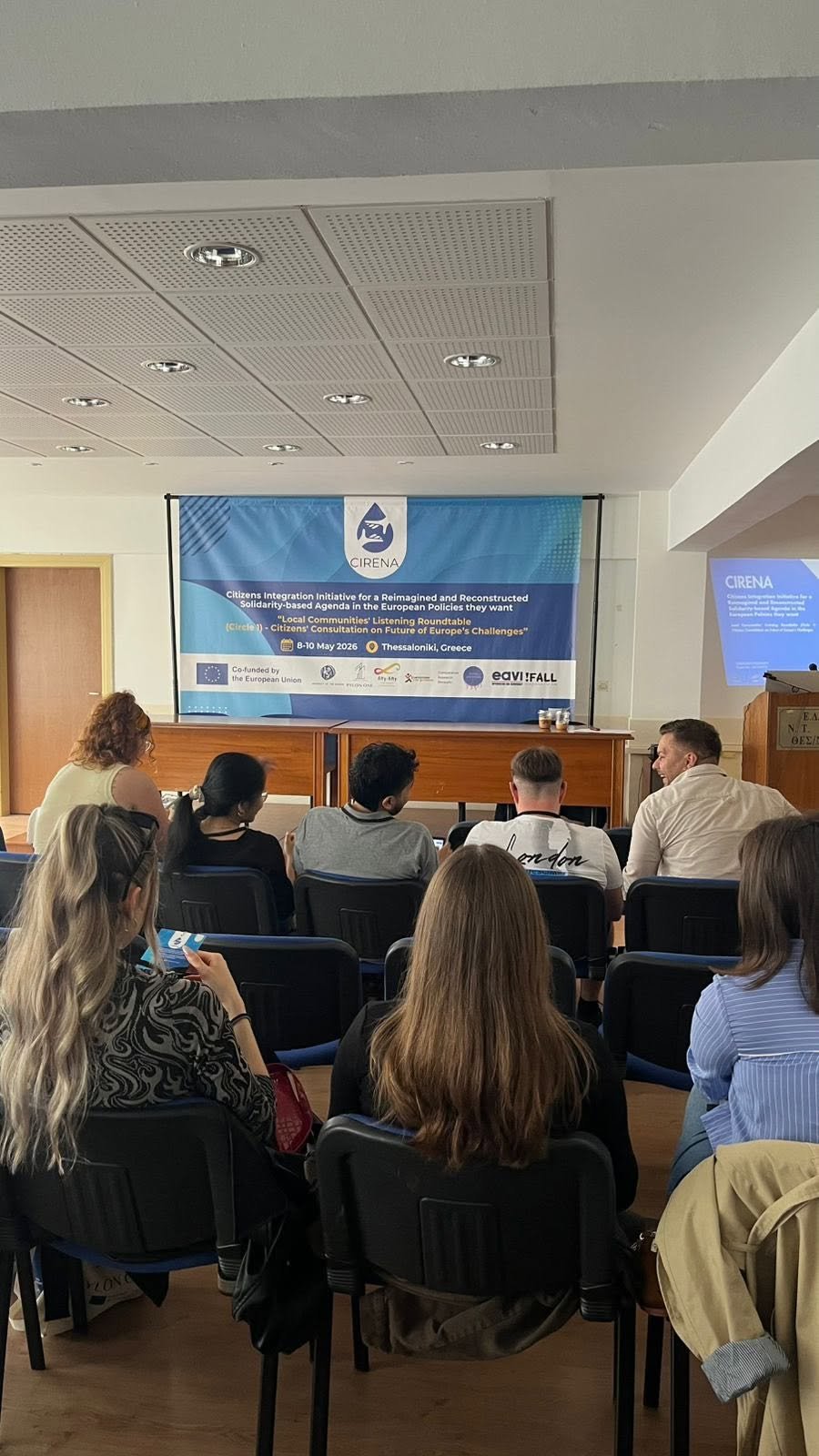
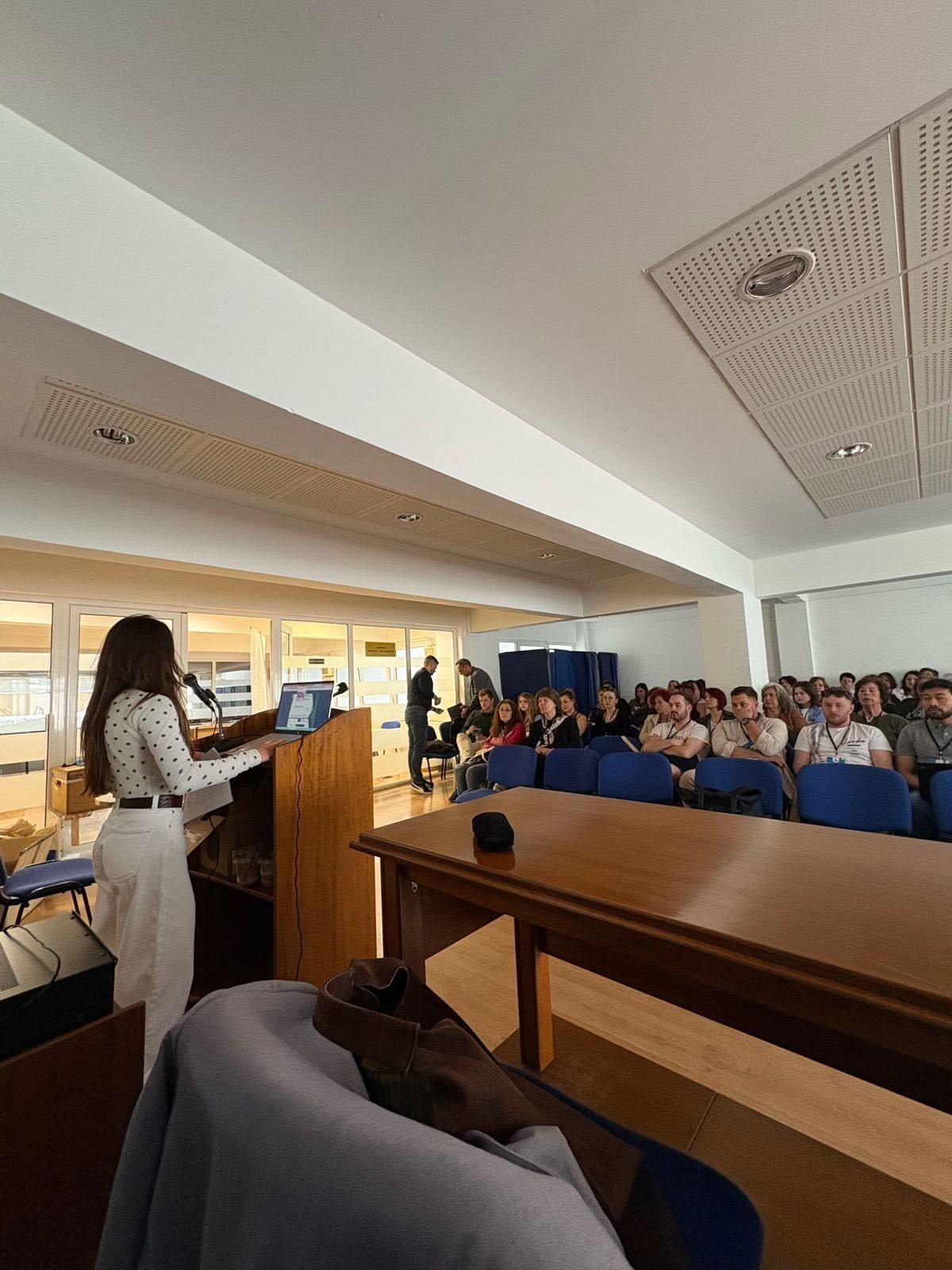
The Local Civic Consultations create an inclusive space for citizens and community representatives to share their experiences and perspectives on solidarity, migration, inclusion, exclusion, and coexistence. Through thematic discussions, personal testimonies, participatory mapping, and facilitated dialogue, participants identify local challenges, needs, barriers, and opportunities, while exploring the role of trust, empathy, and mutual understanding in strengthening social cohesion.

WP3 deepened civic exchange through facilitated discussions on European solidarity, democratic values, inclusion, diversity, and social cohesion. The activity brought together citizens from different countries and regions to exchange experiences, compare perspectives, and discuss common challenges, with particular attention to inland areas and culturally diverse communities.

Through thematic sessions, a World Café consultation, plenary discussions, and a study visit, participants explored the role of citizens, local authorities, and the European Union in strengthening solidarity and social cohesion. The discussions supported the development of citizen-led perspectives and practical recommendations, which were shared and discussed with experts and local government representatives.

29–30 June 2026 | Łódź, Poland

Day 1 – Citizen Consultation and European Solidarity

The first day began with registration and an introduction to WP3, followed by a thematic session on European solidarity from the perspective of inland areas. Participants discussed the challenges faced by inland communities and explored how European solidarity and decision-making could better respond to their needs.

A facilitated World Café consultation enabled participants to work in rotating groups around key solidarity challenges, identifying barriers and developing citizen-centred solutions. The programme continued with a session on shaping the future of Europe, focusing on the shared responsibilities of citizens, authorities, and the EU in addressing solidarity, regional integration, and social cohesion. The main proposals were presented and discussed during a plenary session with experts and local government representatives. The day concluded with a networking dinner.

Day 2 – Diversity, Local Experience and Reflection

The second day included a study visit to Księży Młyn, where participants explored the multicultural history of Łódź and reflected on its relevance to contemporary diversity, integration, and social cohesion. The visit provided an opportunity to connect local experiences with the broader discussions of the project.

The programme concluded with an evaluation and closing ceremony, during which participants reviewed the main outcomes and citizen recommendations developed during WP3, shared feedback, and reflected on their learning experiences. A closing lunch provided a final opportunity for informal exchange and networking.
These forums connect local discussions across countries, allowing citizens and stakeholders to compare experiences and identify shared challenges. The events strengthen cross-border understanding and reinforce the European dimension of civic participation.

These forums connect local discussions across countries, allowing citizens and stakeholders to compare experiences and identify shared challenges. The events strengthen cross-border understanding and reinforce the European dimension of civic participation.

WP5 uses digital formats to amplify citizens’ voices and increase public awareness of the project’s themes. Storytelling activities translate personal experiences into accessible narratives that support engagement beyond physical events.

These forums connect local discussions across countries, allowing citizens and stakeholders to compare experiences and identify shared challenges. The events strengthen cross-border understanding and reinforce the European dimension of civic participation.

These workshops focus on strengthening citizens’ knowledge of EU institutions, democratic processes, and participation opportunities. The sessions are designed as interactive learning spaces that support informed engagement.

WP7 equips participants with practical tools for advocacy and policy thinking. Through guided sessions, citizens learn how to structure ideas, formulate proposals, and connect lived experience with policy-oriented language.

These events focus on media literacy, disinformation awareness, and responsible civic communication. They support participants in navigating the media landscape and engaging critically in public debate.

WP9 delivers inclusive civic forums that emphasise intercultural dialogue and participation across different social and cultural contexts. The events foster mutual respect, dialogue, and shared civic responsibility.

In these labs, citizens work collectively to transform discussions and insights into structured policy-oriented outputs. The focus is on collaboration, synthesis, and collective authorship.

These sessions provide space for reflection, feedback, and collective validation of the project’s outcomes. Participants review, refine, and endorse shared conclusions emerging from the participatory process.

The closing event brings together partners, participants, and stakeholders to present the project’s results, reflect on lessons learned, and explore opportunities for continuation and wider dissemination at European level.